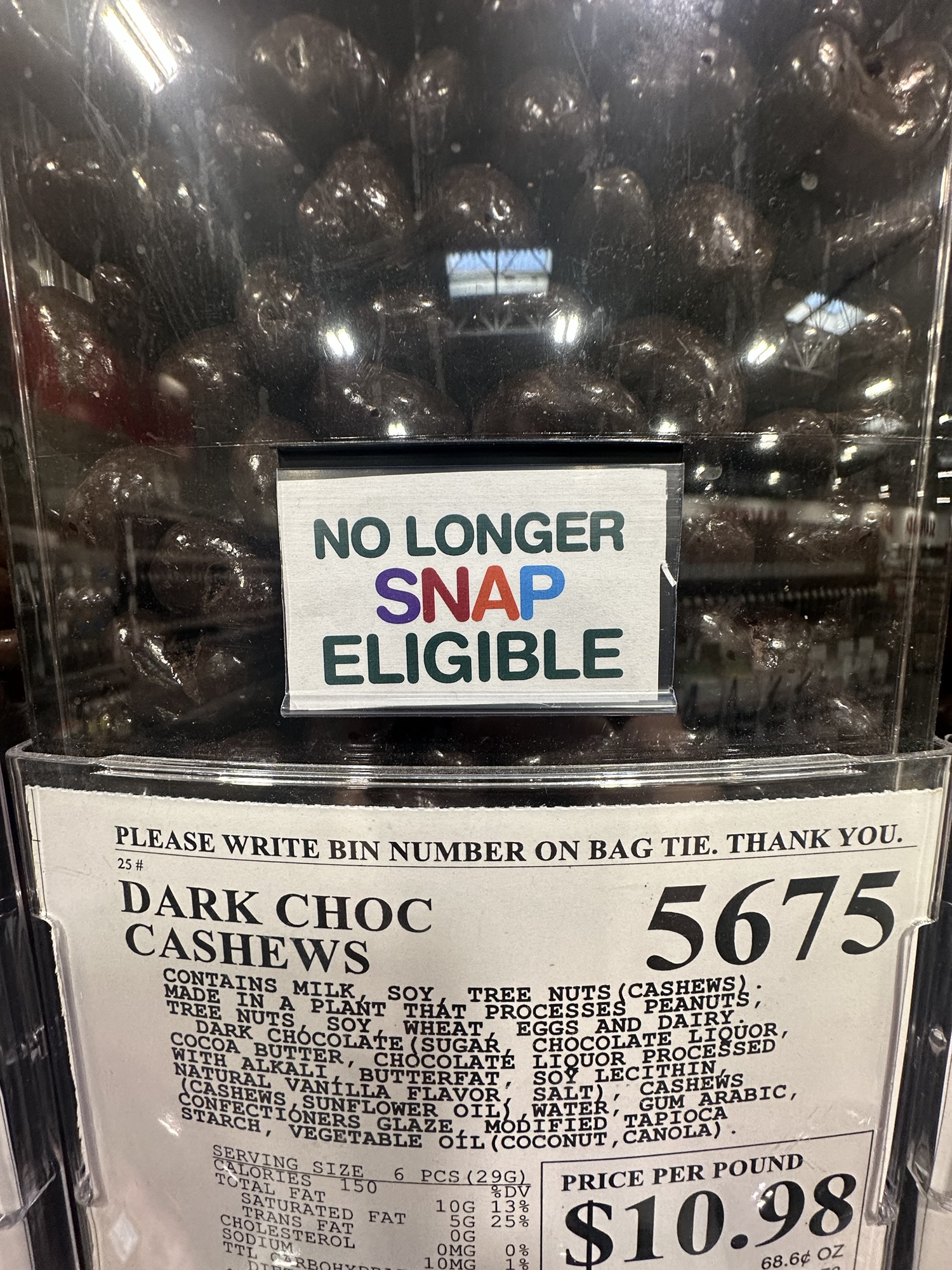
I was walking through the bulk aisle the other day when I noticed the signs.
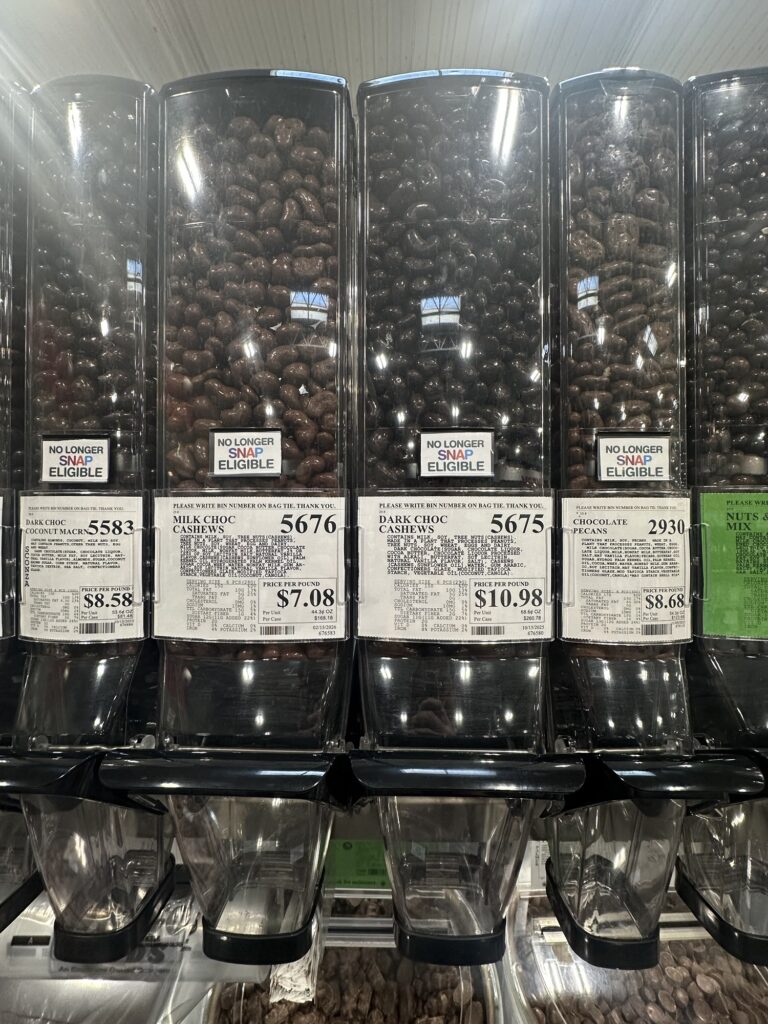
“No Longer SNAP Eligible.”
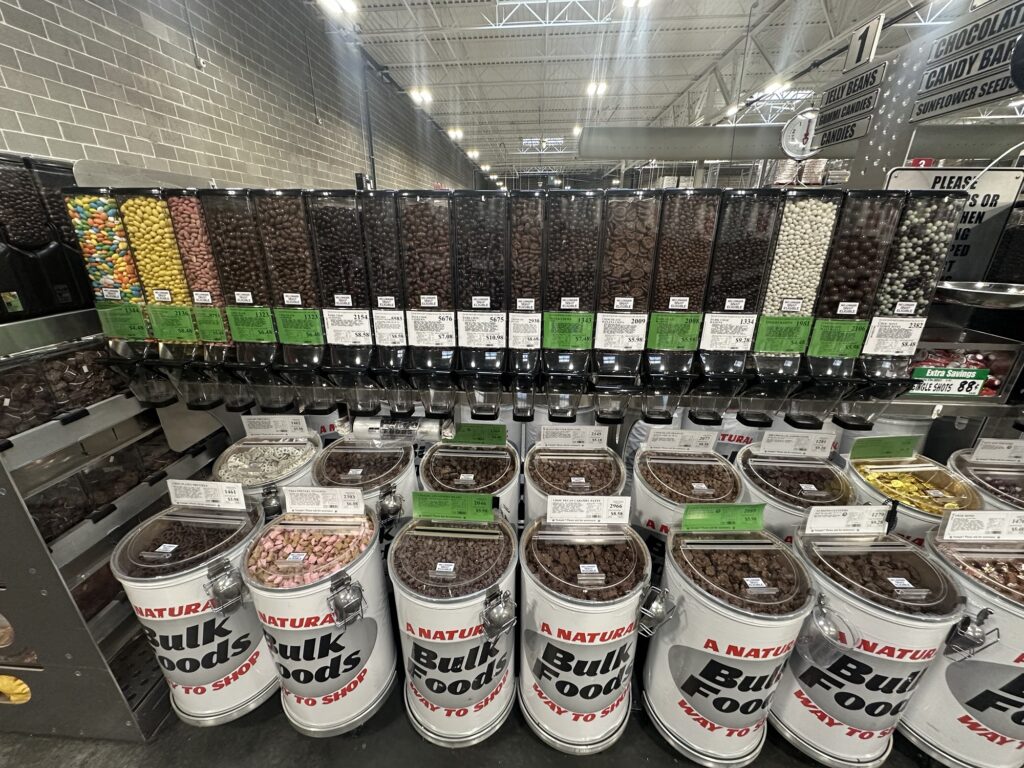
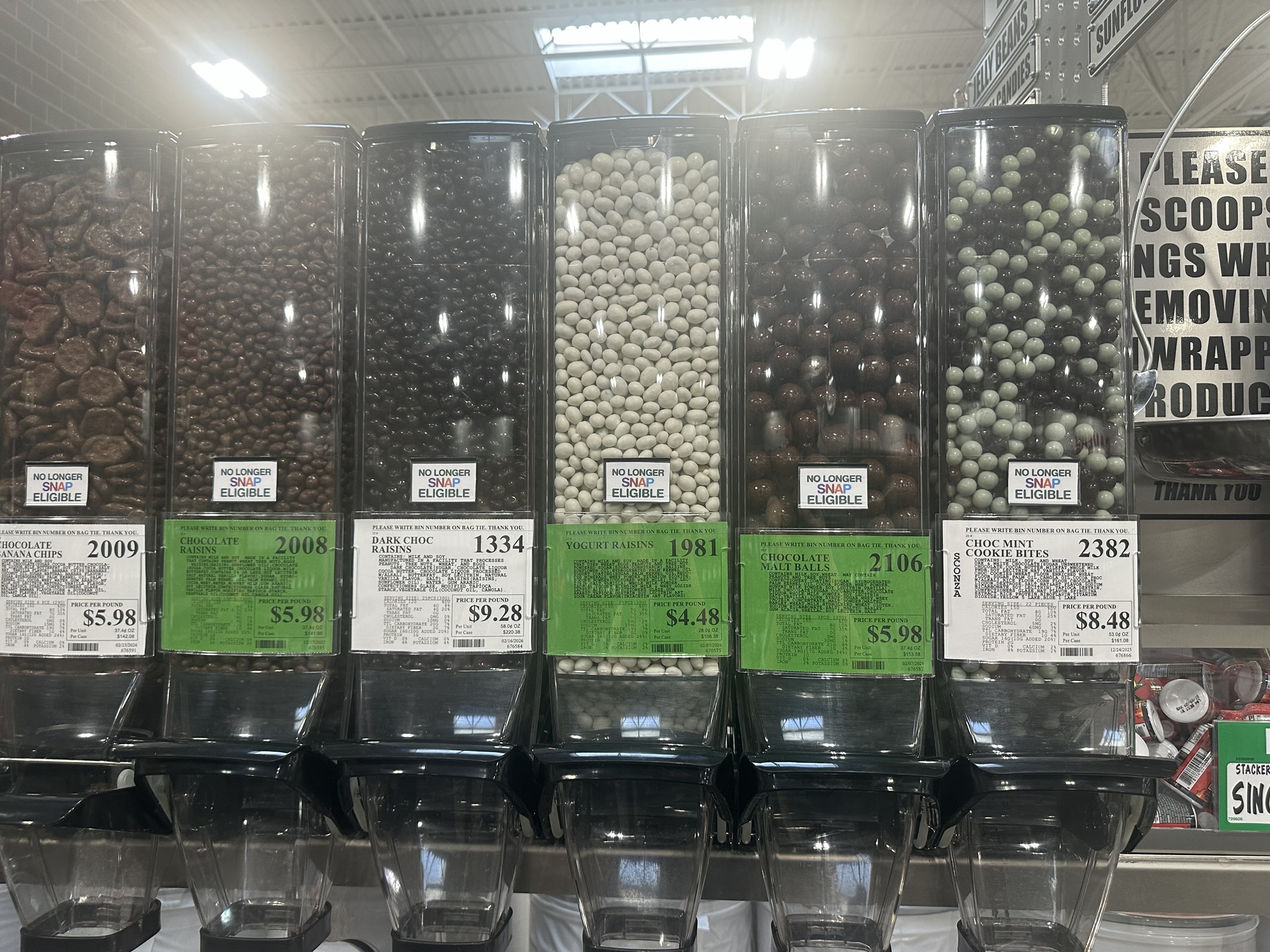
They were taped to bins of chocolate-covered raisins, yogurt-covered candies, malt balls, cookie bites — basically anything that falls into the broad category of “treat.”
Oklahoma has tightened restrictions on what can be purchased with SNAP benefits, and in practice, that now means certain candy and snack items are off-limits.
On paper, it sounds simple: public benefits shouldn’t pay for junk food.
In reality, it’s more complicated than that.
What Changed?
SNAP (Supplemental Nutrition Assistance Program) is federally funded but administered at the state level. States can seek waivers and adjust how programs are enforced or interpreted. Oklahoma has taken steps to limit purchases of items categorized as candy or certain snack foods in some retail environments.
So now, in some stores, bins that once rang up without issue are flagged.
You can buy staples.
You can buy meat, bread, produce.
But a handful of chocolate-covered cashews for a birthday cake? Not anymore.
The “Health” Argument
Supporters of restrictions argue this is about nutrition.
Taxpayer dollars, they say, should encourage healthy choices. SNAP is meant to prevent hunger and improve food security — not subsidize sugar consumption.
And on a surface level, that sounds reasonable.
But here’s where the conversation gets tricky.
Who Decides What Counts as “Healthy”?
Bulk chocolate is banned.
But what about:
Sugary breakfast cereals? Sweetened yogurt? Juice drinks with high sugar content? Processed snack crackers?
Many of those items are still SNAP-eligible.
So the line isn’t clean.
It’s selective.
And once you start drawing lines around “acceptable” food, you move from nutrition policy into value judgments.
It’s Not Just About Candy
For families using SNAP, this isn’t about daily sugar binges.
It’s about normalcy.
Kids’ birthdays.
Holiday treats.
Movie nights.
School parties.
Families who rely on assistance still celebrate. They still pack lunches. They still want their kids to feel included.
When restrictions remove small, occasional treats, the impact isn’t nutritional — it’s social.
And that matters.
The Dignity Question
There’s another layer to this.
Most families using SNAP are working families. Many are temporarily struggling. Some are in long-term poverty. But all are navigating the same grocery aisles as everyone else.
Policies that narrowly target “treat foods” can start to feel less like health reform and more like surveillance.
It raises the question:
Are we trying to improve public health — or regulate behavior?
Because if the concern is truly nutrition, then broader food education, access to fresh produce, and affordability of healthy options might have a bigger impact than removing candy bins from eligibility.
What Happens Next?
Food policy is always political, even when framed as practical.
Oklahoma, like many states, is wrestling with rising healthcare costs, obesity rates, and budget concerns. SNAP reform becomes an easy lever to pull — visible, symbolic, and headline-friendly.
But the lived experience shows up in grocery store signs.
In bins labeled “No Longer SNAP Eligible.”
In a parent explaining to a kid why the chocolate-covered raisins have to go back on the shelf.
It’s fair to debate nutrition policy.
It’s also fair to ask whether drawing hard lines around small treats solves the deeper issues of food insecurity, access, and dignity.
Because hunger policy isn’t just about calories.
It’s about how a community defines fairness.